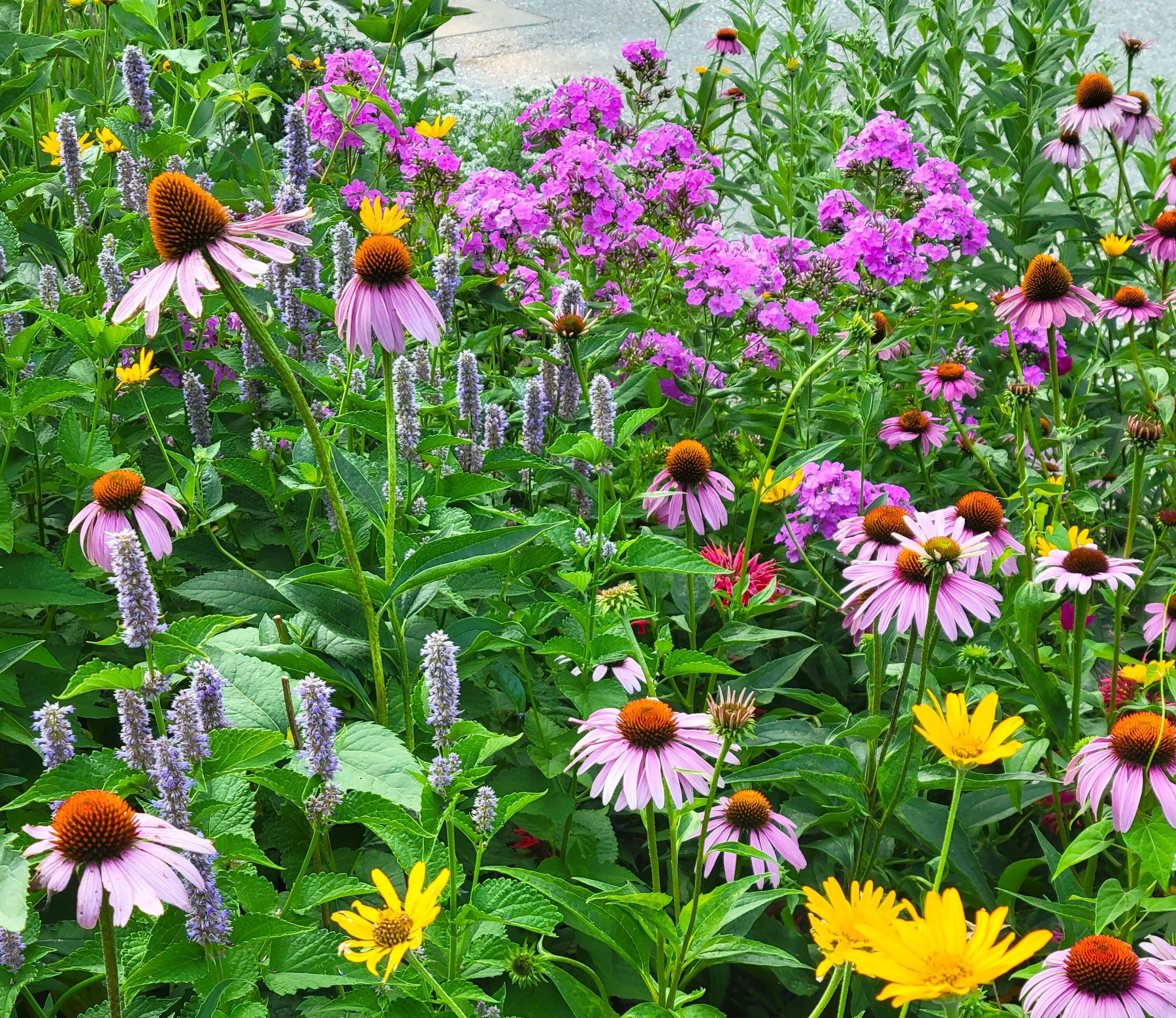

This week on the PlantNebraska Podcast, Bob joins Hanna and Sarah to share everything you need to know about collecting native plant seed. Learn how to tell when seed is ripe, how to clean and store it properly, and simple tricks that improve germination success. Whether you're collecting coneflowers, penstemons, milkweeds, or even acorns, this episode is packed with practical tips you can use this season.
Plants Mentioned:
- Aesculus spp. — Buckeye
- Agastache foeniculum — Giant blue hyssop
- Asclepias spp. — Milkweed
- Asclepias syriaca — Common milkweed
- Asimina triloba — Pawpaw
- Aster spp. — Aster
- Baptisia spp. — False indigo
- Baptisia australis — Blue false indigo
- Baptisia bracteata — Cream wild indigo
- Carya illinoinensis — Pecan
- Ceanothus americanus — New Jersey tea
- Corylus americana — American hazelnut
- Delphinium carolinianum — Prairie larkspur
- Dicentra cucullaria — Dutchman's breeches
- Diospyros virginiana — American persimmon
- Echinacea spp. — Coneflower
- Heuchera spp. — Coral bells
- Helenium spp. — Sneezeweed
- Mertensia virginica — Virginia bluebells
- Monarda spp. — Bee balm
- Monarda bradburiana — Bradbury's bee balm
- Penstemon spp. — Beardtongue
- Penstemon digitalis 'Husker Red' — Husker Red beardtongue
- Penstemon grandiflorus — Shell-leaf penstemon
- Phlox paniculata — Garden phlox
- Prunus americana — American wild plum
- Prunus serotina — Black cherry
- Prunus virginiana — Chokecherry
- Quercus spp. — Oak
- Ratibida pinnata — Gray-headed coneflower
- Solidago spp. — Goldenrod
Links:
For early access to new episodes, photos, and other behind the scenes content, join us on Patreon. For $5/month you'll receive exclusive content or early access to podcasts and other resources while supporting our efforts to Plant Nebraska.
Leave us a voicemail or
Email us at arboretum@unl.edu
Follow us @PlantNebraska on Facebook and Instagram