Plant Trees in Your Town
The community forest is a valuable and cherished part of any community, providing many significant benefits, both tangible and intangible. Unfortunately, many of Nebraska's community forests are in severe decline, as an alarming number of trees are lost every year due to weather extremes, insects, disease, limited diversity and human neglect and abuse. Now more than ever, it is critical that we strategically replant and properly maintain our community forests. By increasing the quantity, quality and diversity of trees in our communities, we also increase their resiliency to these challenges.
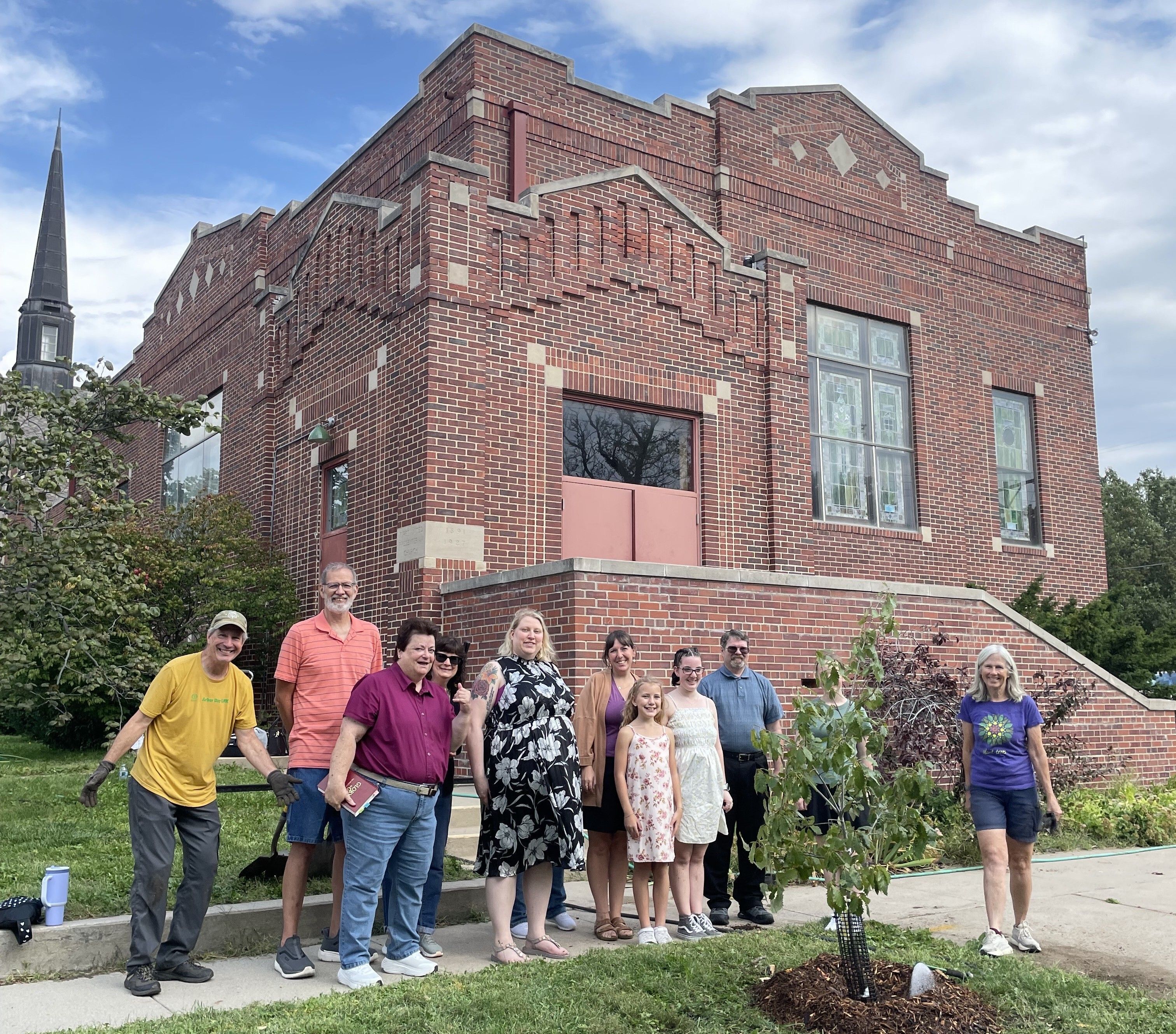
The Trees for Nebraska Towns Program contributes to this effort by providing free, high-quality trees to public-oriented projects in Nebraska communities. We encourage you apply for funding to support a tree-planting project in your community.
You can log in to our grant management system using the button below to apply, to see the status of your application and to complete any assigned reporting follow-ups.
OUR FOCUS
- Smaller projects. This program provides up to 10 free trees for small-scale, public-oriented projects. However, we also accept requests for more than 10 trees. Applicants requesting more than 10 trees are required to complete a more extensive application. High-impact projects (especially street trees) and projects with an extensive outreach component are given priority to receive a larger number of trees.
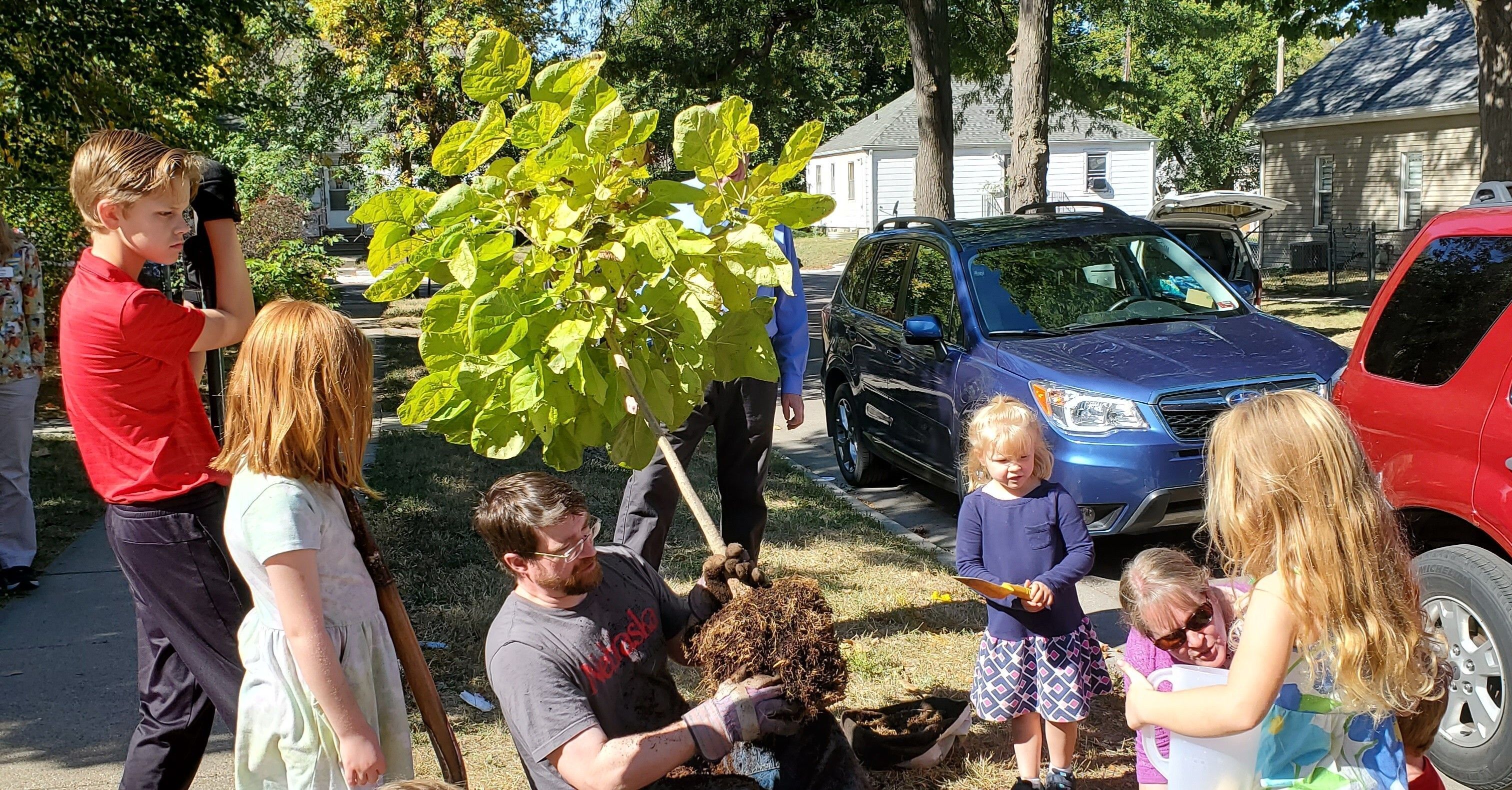
- Large, maturing shade trees, since they provide the most community benefits. Trees at time of receipt are large enough to have an impact, yet small enough to easily handle and plant by volunteers.
- High-quality trees, with an emphasis on excellent root systems. Trees with healthy, well-developed root systems have a much greater chance of surviving and thriving.
- Diverse tree species. Increasing species diversity significantly increases the resilience of a community forest.
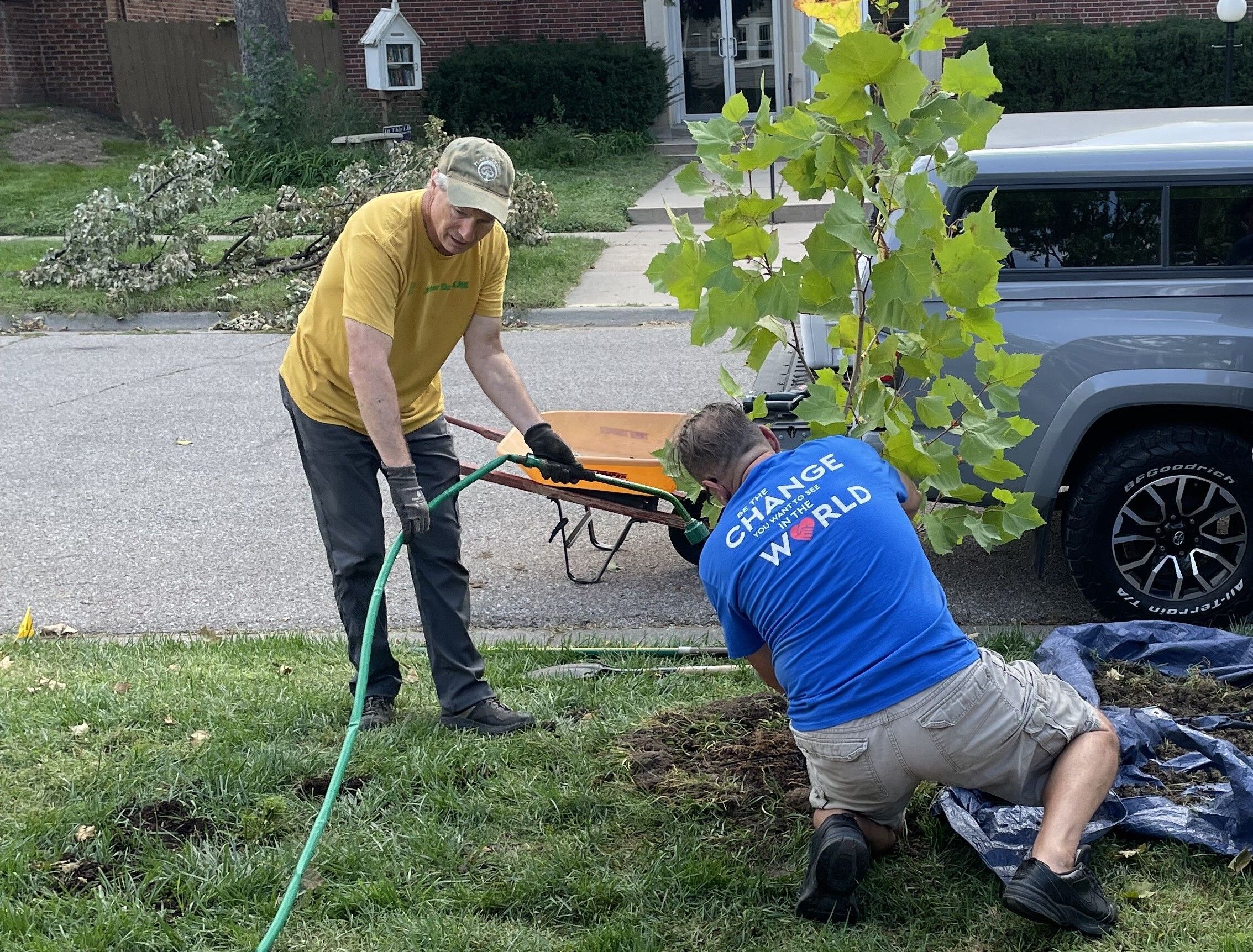
- Proper siting, planting and long term care to ensure tree health and long-term success.
- Increased awareness of community forest benefits and how to maximize them. Watch these videos to learn more about how our community forests impact our health, economy, environment and quality of life.
WHO IS ELIGIBLE?
Projects must be sponsored by a local group or organization. Potential applicants include tree boards, civic organizations, non-profits, neighborhood associations, government agencies, schools and arboretum curators.
The planting site must be in Nebraska, on property of civic importance that provides clear public benefit. Eligible planting sites include, but are not limited to, street right-of-way, parks, school campuses, grounds of civic buildings, recreation areas, neighborhood common areas and fairgrounds.
PROJECT TIMELINE
June-July 31: Applications are accepted
August 1-14: Applications are reviewed. Priorities are given to street tree projects, areas of clear public benefit and need, new applicants and new locations for previous applicants. Earlier submittals and proposed outreach can be tie-breakers.
By August 25: All applicants notified of acceptance or denial. Recipients receive additional information and guidance on next steps.
Mid-late September: Trees are delivered by the Nebraska Forest Service/PlantNebraska or nursery, OR are picked up by recipient.
By Oct. 15 (Panhandle): Trees are planted; outreach activities occur.
By Nov. 15 (all other): Trees are planted; outreach activities occur.
By November 30: Recipients submit required reporting information.
APPLICATION PROCESS
Step 1: Review additional Trees for Nebraska Towns program details HERE.
Step 2: Complete and submit the application by clicking the "Grant System Log In" button above.
QUESTIONS?
For more information about the Trees for Nebraska Towns or the application process, please contact Kendall Weyers, Sustainable Communities Coordinator, at kweyers2@unl.edu