
It’s difficult to imagine now, as we gardeners sweat our way through July and August, but in just 8 weeks we’ll be talking about early frosts. That's why it's important to gear up now for your late summer and fall landscape work so everything on your list gets done.
To help you get organized, purchase supplies and schedule your work, here’s a quick rundown of common landscape projects listed in order of attack.
Tree & Shrub Planting
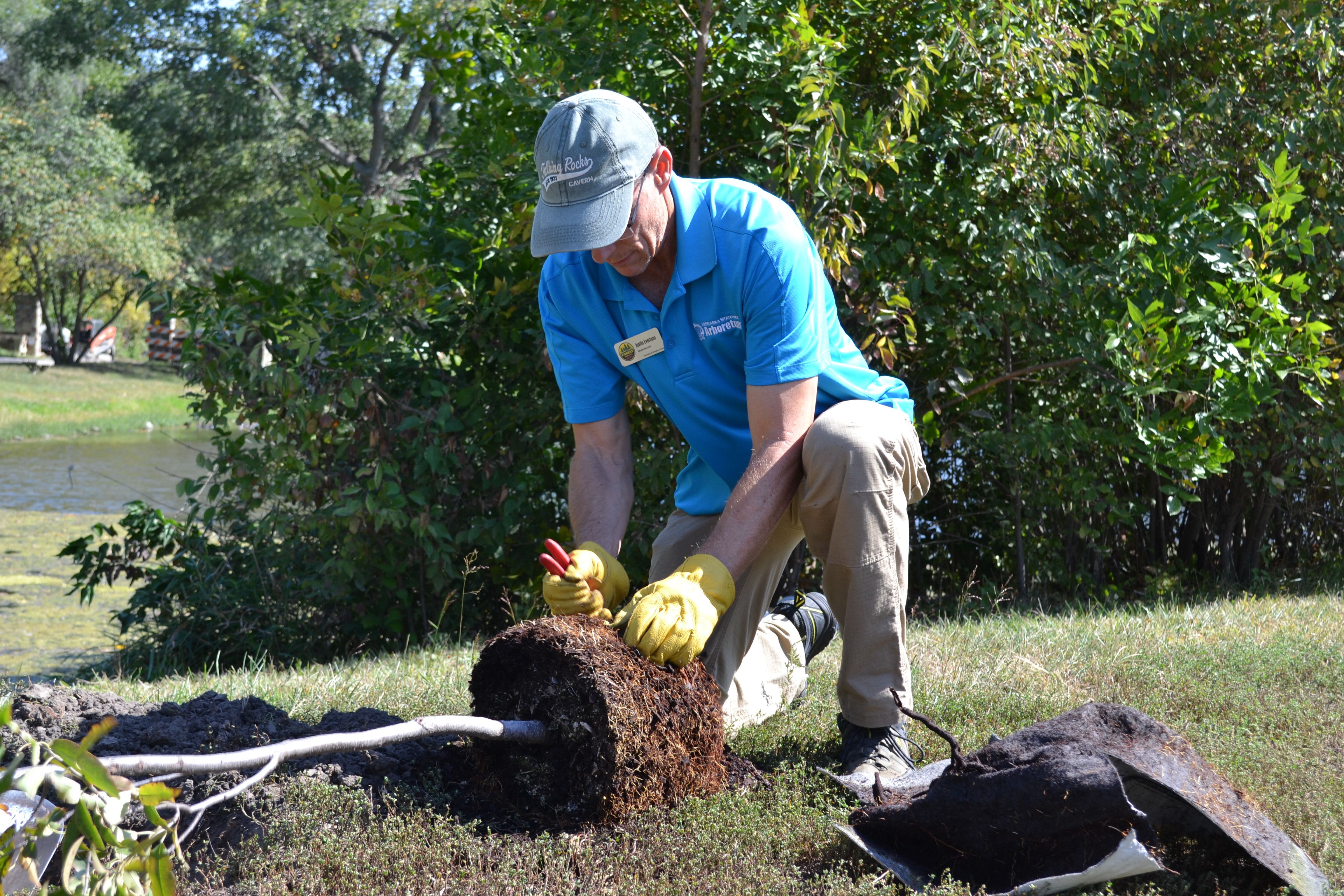
Fall is the best time of year to plant new trees or shrubs. Cooler temperatures and increased rain allow trees to establish their root systems more quickly, giving them a jump-start on spring growth. Tree root growth continues late in fall, until soil temperatures drop below 40°F, and begins again early in spring. This gives fall-planted trees and shrubs several months of establishment time before they have to endure hot summer conditions.
Plan to get your fall planting done by the following dates.
- Eastern Nebraska - early September through late October
- Western Nebraska - early September through October 15th
Check out these resources for tips on selecting trees and correct planting techniques.
- How to Plant a Tree, handout and video
- Trees for Eastern Nebraska handout
- Trees for Western Nebraska handout
Winter Annual Weed Control
Early September is the time to begin control for a class of weeds called winter annuals. The plants—which include annual bluegrass, goosegrass, field speedwell and henbit among others—grow from seed each year. But instead of germinating in spring and summer like most weeds, winter annuals germinate in the fall. They grow into a tiny plant which overwinters as a small rosette of foliage, then begins growing again in very early spring often February or March. They complete their life cycle and go to seed in spring or early summer.
If these weeds were a problem in your landscape this spring, they are gone now, but their seeds are present in your soil for a whole new infestation next year.
Gardeners often want to control winter annual weeds in spring when they are blooming, but that is not an effective strategy. They are best controlled in September with an application of pre-emergent herbicide followed by an application of mulch in landscape beds. Follow your pre-emergent herbicide's instruction on whether or not it should be watered in after application.
Divide Perennials
Fall is also a great time to divide or relocate perennials that bloom in spring and early summer. Fall blooming plants should be divided or moved in spring. But the process for dividing perennials is the same for both.
For the best survival, divide perennials early enough in fall to allow at least 4 weeks of growing time before their foliage is killed by frost. Remember, plants lose most of their roots during the division process; giving them some time to regrow at least a few roots will reduce winter frost heaving and desiccation. Once their foliage has died back, apply a 4- to 6-inch layer of mulch around and over the top of perennials divided in fall, which will also help prevent frost heaving. Remove this mulch in April.
Window for dividing perennials
- Eastern Nebraska: mid August through late September
- Western Nebraska: August through early September
Here is a helpful video on dividing perennials from our friends at Backyard Farmer.
Perennial Weed Control
Mid-September through late October is the best time of year to control tough perennial weeds in the landscape, such as dandelions, ground ivy, bindweed, poison ivy and more.
At this time of year, they begin moving carbohydrates from the leaves down to the roots for winter storage. When herbicides are applied in September, they are transported to weed roots along with the carbohydrates, killing the entire plant instead of just the leaves. And even if the chemical doesn't completely kill the weed, the plant goes into winter in a weakened condition and is much more susceptible to winter kill.
Finally, the potential for 2,4-D and dicamba herbicide drift damage to non-target species is reduced in fall.
Plan to spot spray perennial weeds in early to mid-September, then give them 2-3 weeks to show signs of dying back. If any living weeds remain, spray them a second time in October. Just remember, weeds must have green foliage to take in herbicide. If they are dormant or have no leaves, don't waste your time and chemical by making another application.
If you need help identifying weeds in your landscape or determining the best herbicides for control, contact your local Nebraska Extension office.
Build a Compost Pile
In late September, before leaves begin to fall, consider building a compost bin system for your landscape. Composting is easy to do and a great way to make use of your yard waste. It can be used in the garden to amend the soil, applied as a mulch and/or used to fertilize plants. Adding compost to heavy clay soil will lighten, loosen and improve drainage. When applied to sandy soil, compost increases water and nutrient holding capacity.
Check out Nebraska Extension's Garden Compost publication for more tips on successful composting.
Tree Pruning
Finally, November through March is when most deciduous trees should be pruned. Wound closure from pruning is maximized when it is done just before new growth starts.
However, flowering trees, like Japanese lilac and magnolia, should be pruned right after they finish blooming to prevent the removal of flower buds during fall or winter pruning. By fall, spring blooming trees and shrubs have already formed flower buds for next year. Pruning in fall removes these flower buds.
Check out the handout Guidelines for Pruning Young Trees for more information.
Good luck with all your fall landscape projects!