
Moving a plant in the landscape is a lot like moving a person into a new home; the better you prepare, the smoother the transition. Whether a plant has outgrown its spot, isn’t getting the right light or just doesn’t fit your design anymore, transplanting is a normal part of maintaining a healthy landscape. The key is understanding how to move it with the least amount of stress.
Timing is Important
Most landscape plants, including trees, shrubs and perennials, adjust best when they are moved during their dormant season. In Nebraska, that usually means in the early spring before new growth starts or during the fall after leaves drop. During dormancy, plants aren’t actively pushing out new growth, so they can focus on repairing roots and settling into their new home. Moving a plant during the summer is possible, but it's more stressful for the plant. If you have to transplant during hot weather, expect to baby the plant with extra water and shade.
Here are some tips to consider when transplanting:
Step 1: Water Before You Dig
A well-hydrated plant handles stress better. Water the plant deeply a day or two before digging it out. Moist soil also holds together better, which helps keep the plant's root ball intact.
Step 2: Prepare the New Hole
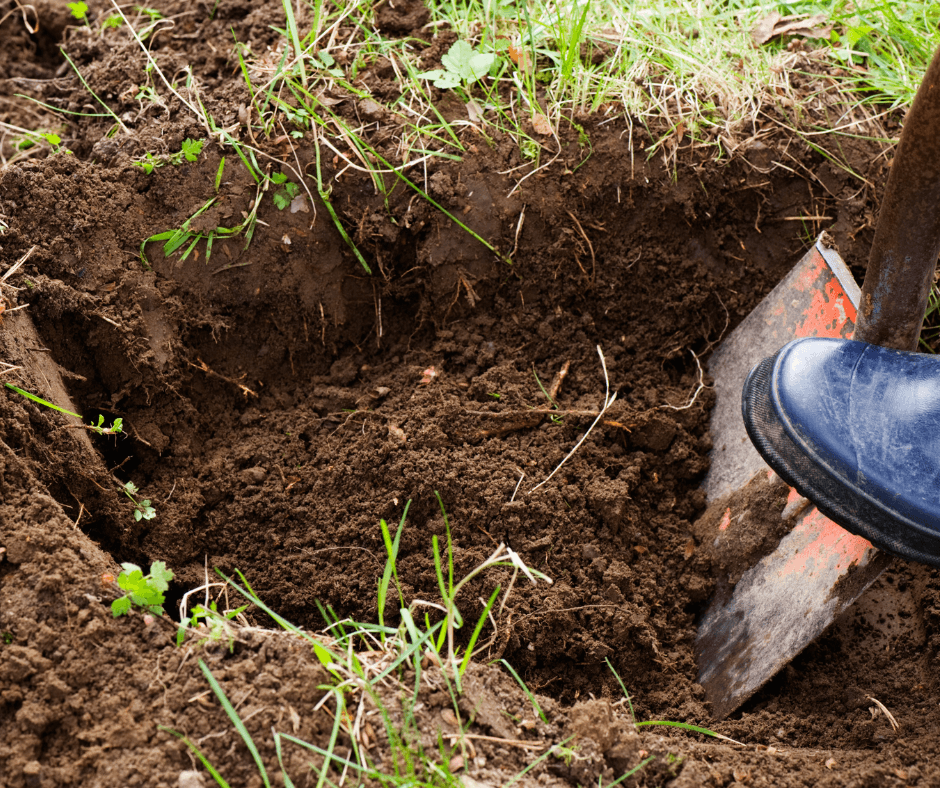
Before you even dig the plant out of the ground, make sure its new hole is ready. The new planting hole should be twice as wide but no deeper than the plant's root ball (planting too deep is a common mistake). Rough up the sides of the hole so roots can grow into the surrounding soil instead of hitting a smooth, compacted wall.
Step 3: Dig the Right Root Ball
Don't make the mistake of digging too close to the plant's stem; keep in mind that roots extend far beyond the plant. You don’t need all of the plant's roots; aim for a solid, compact root ball. Generally, for perennials, dig 6-12 inches out from the base. For shrubs, dig 6-8 inches out for every foot of height. For small trees, dig 10-12 inches out for every inch of trunk diameter.
Dig in a circle, angling your shovel inward to create a cone‑shaped root ball. Lift the plant out carefully—don’t yank it by the stem or trunk.
Step 4: Move Quickly and Keep Roots Covered
Roots dry out fast, sometimes in minutes on a hot or windy day. If you’re moving the plant across the yard, wrap the root ball in a tarp or burlap to hold moisture and soil together. If you’re moving the plant only a few feet, you can slide it onto a tarp and then use the tarp like a sled to drag the plant to its new spot.
Step 5: Replant at the Correct Depth
Set the plant in the hole so the top of the root ball is level with the surrounding soil. Backfill with the same soil you dug out; it's not necessary to add compost or potting mix. Gently pat down the soil as you fill the hole, but don’t stomp it down.
Step 6: Water and Mulch
Water thoroughly to settle soil around the roots. Then add 2–3 inches of mulch, keeping it a few inches away from the trunk or stems. Mulch helps regulate soil temperature and keeps moisture consistent while the plant gets established in its new home.
How Long Does Recovery Take?
Most plants take one full growing season to fully recover from being moved, but trees can take longer. During this time, consistent watering is the most important thing you can do. The plant may look a little droopy or slow to adjust at first, and that’s normal.