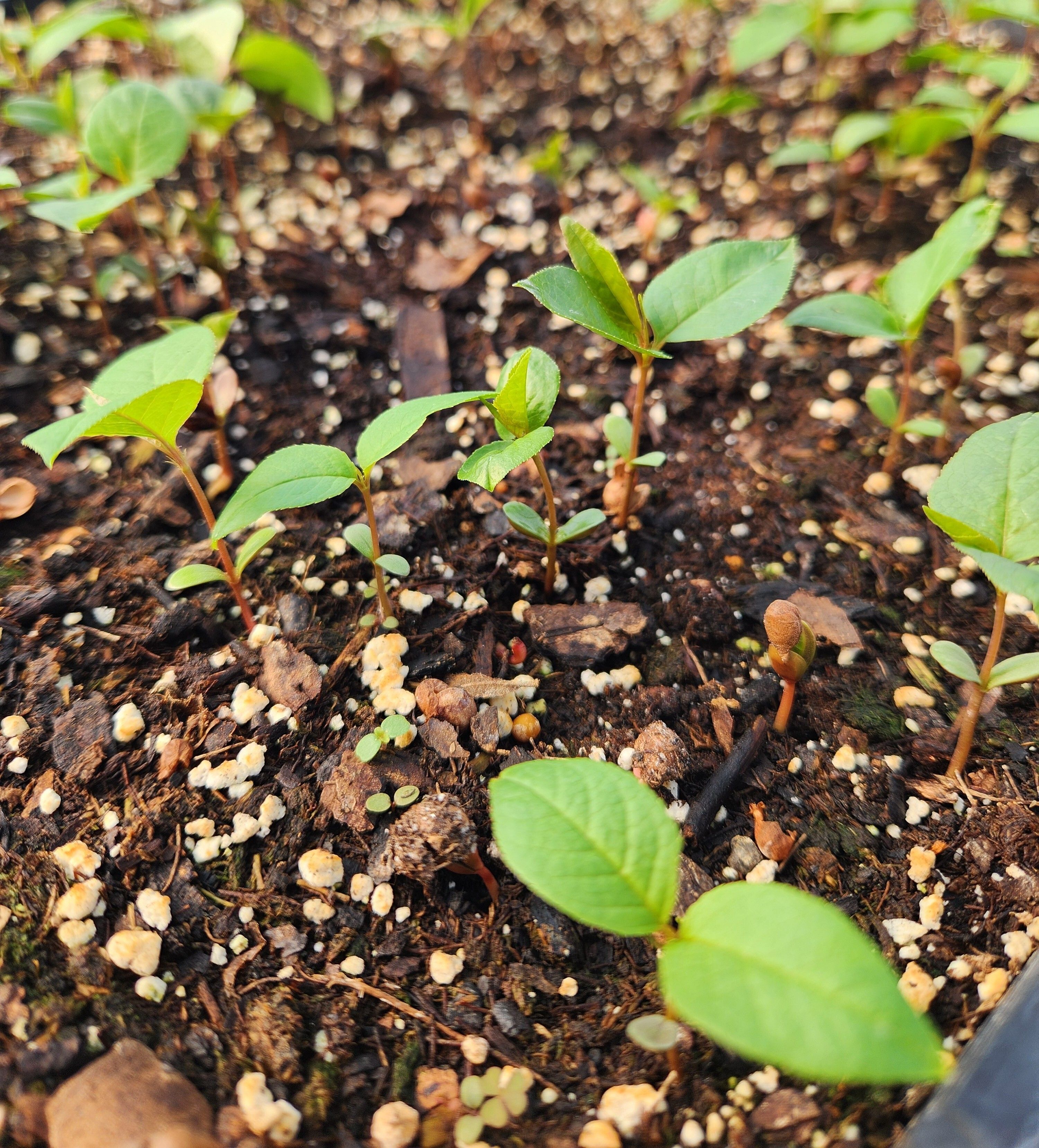
Starting seeds indoors is one of the best ways to get around Nebraska’s unpredictable spring. Our weather can swing from warm to freezing in the same week, so giving plants a controlled start inside helps them develop strong roots before facing those rough outdoor conditions. It also lets you grow varieties you won’t usually find in stores, especially heirloom vegetables.
When to Start Seeds Indoors
Most of Nebraska’s last frost dates fall in early to mid‑May, depending on where you live. Working backward from that date helps you figure out when to start each type of seed. Warm season crops like tomatoes and peppers need the longest head start, while cool season crops grow faster and can be transplanted earlier. Native perennials often have their own timing needs, especially if they require cold stratification or scarification.
Starter Plants to Start Indoors
Tomatoes (Solanum lycopersicum)
Tomatoes need warm soil and plenty of time to grow, so they’re usually started 6–8 weeks before the last frost. They grow best under bright, consistent light and shouldn’t be transplanted outside until nighttime temperatures stay above 50°F.
Peppers (Capsicum annuum)
Peppers germinate slowly and appreciate bottom heat, like a seedling heat mat. Start them 8–10 weeks before the last frost. Once they sprout, they need strong light to stay compact and healthy.
Broccoli and Cabbage (Brassica oleracea)
These cool‑season vegetables grow quickly and can handle being transplanted outdoors earlier than warm‑season crops. Start them 4–6 weeks before the last frost. They prefer cooler temperatures, so they’re often ready to harden off before tomatoes and peppers.
Native Perennials (milkweed, coneflower, prairie blazing star)
Many native prairie plants need a period of cold stratification to germinate well. This can be done by refrigerating seeds in moist sand or soil for several weeks before planting. Once stratified, they can be started indoors like other annual seeds. They grow slowly at first but establish well once planted outside.
Light Requirements
Light is one of the biggest factors in seedling success. Most seedlings need 12–16 hours of bright light each day. A sunny window can work, but in many homes it isn’t quite enough. Grow lights placed a few inches above the seedlings usually produce sturdier, healthier plants. As seedlings grow, raise the lights so they stay close without touching the leaves.
Soil and Containers
A fresh seed‑starting mix gives the best results because it’s lightweight and drains well while also having the benefit of being sterile. Garden soil is too heavy and can introduce pests or disease. Seed trays, small pots, or recycled containers all will work great as long as they have drainage holes. Starting in smaller pots can also help prevent overwatering, and seedlings can be moved to larger pots later on if needed.
Watering and Airflow
Starting seeds and seedlings, both need constant moisture but they don’t want soggy soil or bone-dry soil. A good way to keep your seedlings well-watered but not drowned is bottom watering. Bottom watering helps prevent overwatering and damping‑off, a common fungal issue that causes seedlings to rot at the soil line. A small fan at a low speed can also improve airflow reducing fungal growth and encouraging stronger stems.
Hardening Off
Before seedlings can be moved outside, they need a slow introduction to sunlight, wind, and temperature changes. This process, called hardening off, usually takes about a week. Start by placing seedlings outside in a shaded, sheltered spot for a couple of hours, then increase their time outdoors and their exposure to sun and breeze each day. Nebraska’s spring weather can be unpredictable, so it’s normal to bring them inside if temperatures drop suddenly.
Transplanting Outdoors
Once the soil has warmed and frost danger has passed, seedlings can be transplanted into the garden. Cloudy days or evenings are ideal because they reduce transplant shock. Water thoroughly after planting and keep an eye on moisture while roots establish.
Happy gardening!