
A good potting mix is one of the most important parts of growing long-lasting, healthy plants in containers. Unlike garden soil, which can be heavy and inconsistent, a potting mix is designed to give roots the right balance of air, moisture and support. The quality of the mix you choose has a direct impact on how well your plants grow, especially in containers where roots don’t have room to spread out or search for better conditions.
What Makes a Good Potting Soil?
Here are the key ingredients and attributes:
Peat moss or coco coir
Peat moss or coco coir are the main ingredients of any good potting mix, so they should hold moisture without becoming soggy and keep the mix lightweight for healthy root growth. Without a moisture‑retaining base, the mix will dry out too quickly or become dense and compacted.
Perlite or vermiculite
Perlite and vermiculite are lightweight, heat-expanded rocks (they are popped like popcorn), that improve drainage, prevent compaction and keep oxygen around the roots. Without them, mixes stay wet for too long, increasing the risk of root rot and suffocating young roots.
A small amount of compost or slow‑release fertilizer
Adding a small amount of compost or slow-release fertilizer provides gentle, steady nutrients that support growth. But too much compost or fertilizer can overwhelm plants with high amounts of nutrients burning their roots.
Uniform, consistent texture
No sticks, bark chunks or clumps means roots can spread evenly and water moves through the mix properly. If there are large chunks, they can cause dry pockets and uneven watering and waste space where roots could be growing. However, there are exceptions to this rule with some plants like the aroid family wanting to be in a chunkier mix.
Soilless and lightweight
A soilless mix avoids compaction, drains well and reduces the chance of pests or disease. Mixes containing actual soil become heavy, muddy and poorly aerated, leading to slow growth and root suffocation.
What Makes a Good Mix?
Look for a mix labeled for seed starting if you’re growing seedlings; these are finer and more sterile. For houseplants or outdoor containers, choose a general purpose potting mix with visible perlite and a light, fluffy feel. If the bag feels heavy before you even open it, that’s usually a bad sign.
Making Your Own Mix at Home
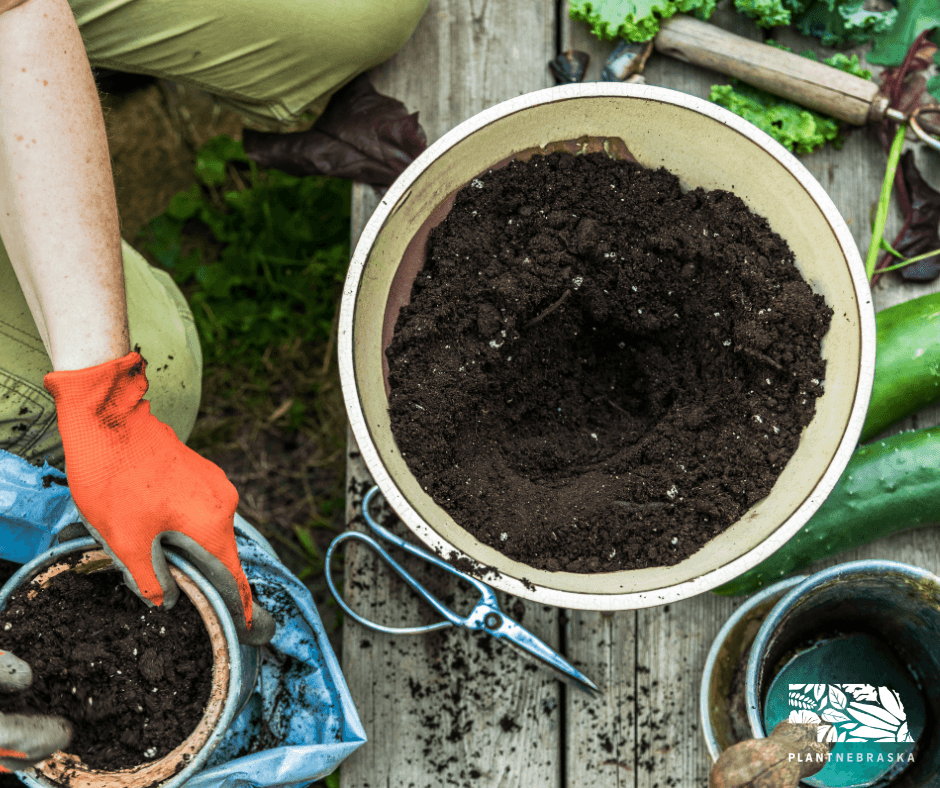
If you’d rather mix your own potting soil, it’s actually pretty simple. Most homemade mixes start with the same basic ingredients found in commercial soils, just in ratios you can adjust depending on what you’re growing.
A common all‑purpose recipe is:
- 1.5 parts peat moss or coco coir (for moisture retention)
- 1 part perlite or vermiculite (for drainage and aeration)
- 1 part compost (for nutrients and structure)
Peat moss and coco coir both hold water well, but coco coir is more sustainable and rehydrates more easily so it’s the better option. Perlite keeps the mix light and airy, while vermiculite holds a bit more moisture. Compost adds nutrients, but it’s important that it’s fully finished and crumbly; fresh or partially decomposed material can introduce pests or cause root burns.
The biggest advantage of making your own mix is control. If you’re growing succulents, you can add extra perlite or even coarse sand. For moisture-loving plants, you can increase the peat or coir. If you are growing aroids, you can use chunkier materials like orchid bark that will drain quickly. As long as the final mix feels loose, drains well and doesn’t clump when squeezed, your plants should thrive in their new soil.
Remember, healthy, happy plants start with good soil!