Try One of Our GreatPlants in Your Garden
The goal of the GreatPlants for the Great Plains program is to assist gardeners in their quest to discover new or overlooked plants that deserve to be planted more. The 2026 GreatPlants of the Year were voted on by members of the Nebraska Nursery & Landscape Association (NNLA)—represented by nursery professionals, landscape designers and horticulture educators. Make plans to include this year’s winners in your landscape design; they deserve to be in every garden.
2026 GreatPlants
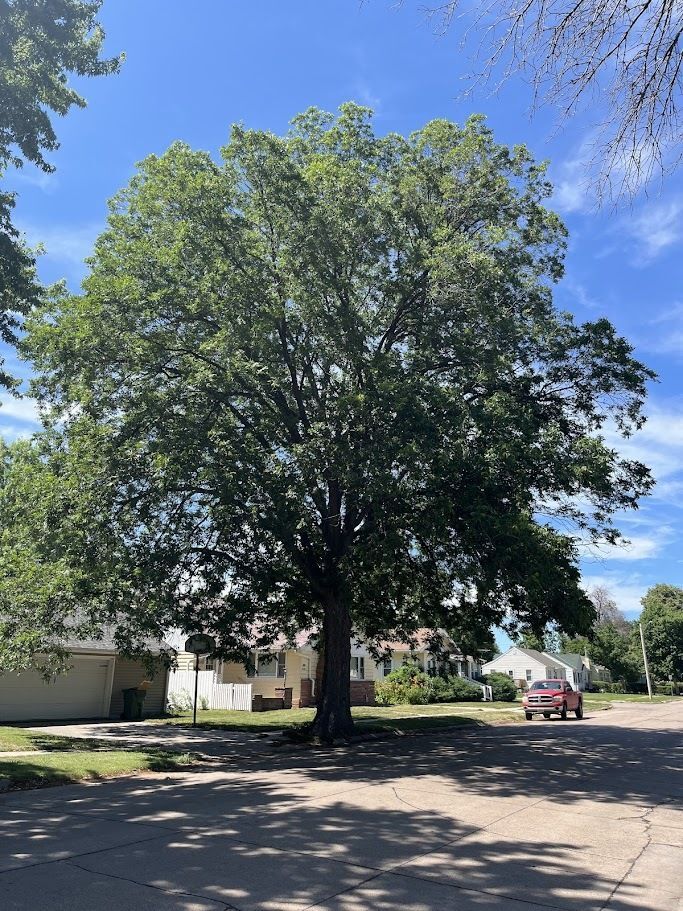
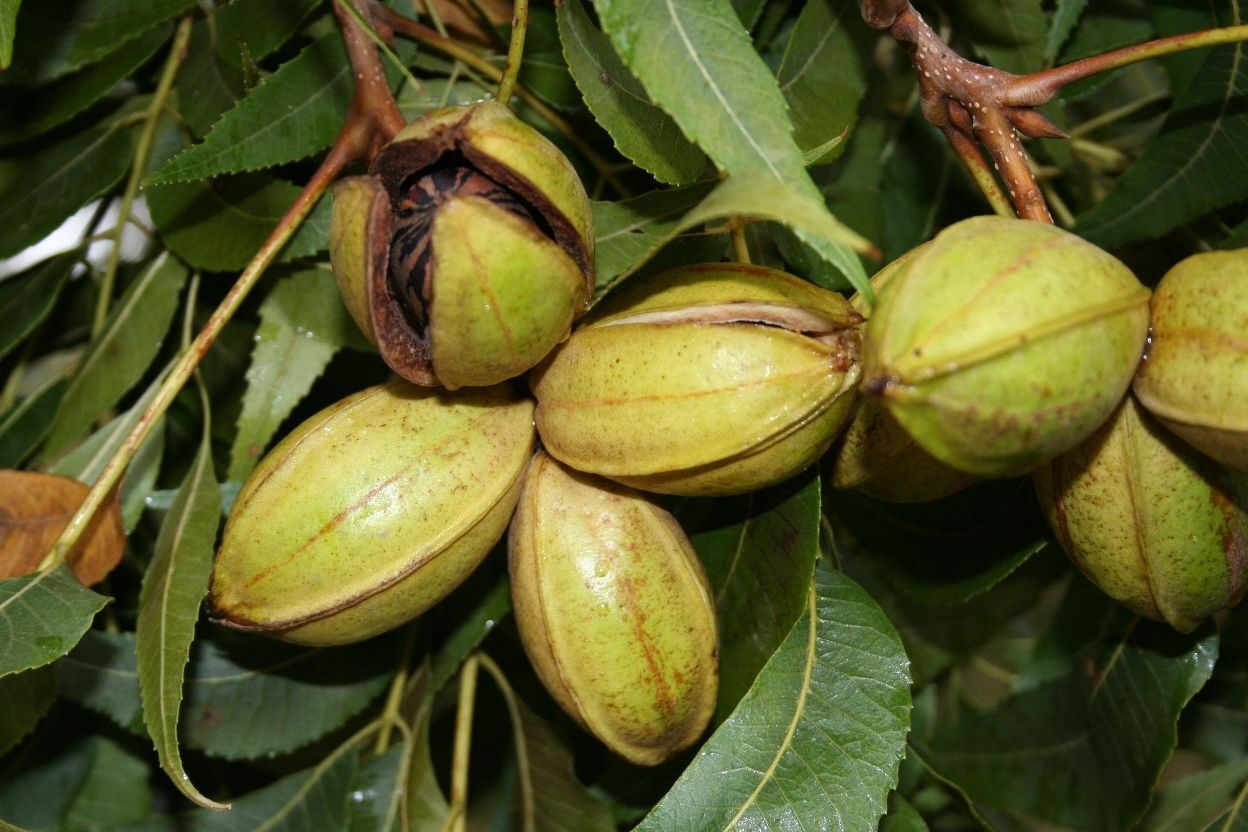
Tree of the Year: Northern Pecan (Carya illinoiensis) – The northern pecan is the largest of the hickories, maturing at 75-100 feet tall with a rounded, spreading crown. Its leaves are odd-pinnate and compound, with each leaf containing 9-17 pointed leaflets, creating a lovely dappled shade effect in the summer. The medium-green leaves turn yellow-green in late summer and then yellow-brown in the fall. The tree produces both male and female flowers, with the female flowers giving way to sweet, edible nuts. Each nut is encased in a thin husk which then splits open in four sections as it ripens in the fall. If you are interested in a nut crop, it's best to plant at least two different varieties for cross-pollination. Northern pecan trees thrive best in rich, moist, well-drained soils in full sun. When planting, choose the location carefully, as the tree's deep taproot makes it difficult to transplant.
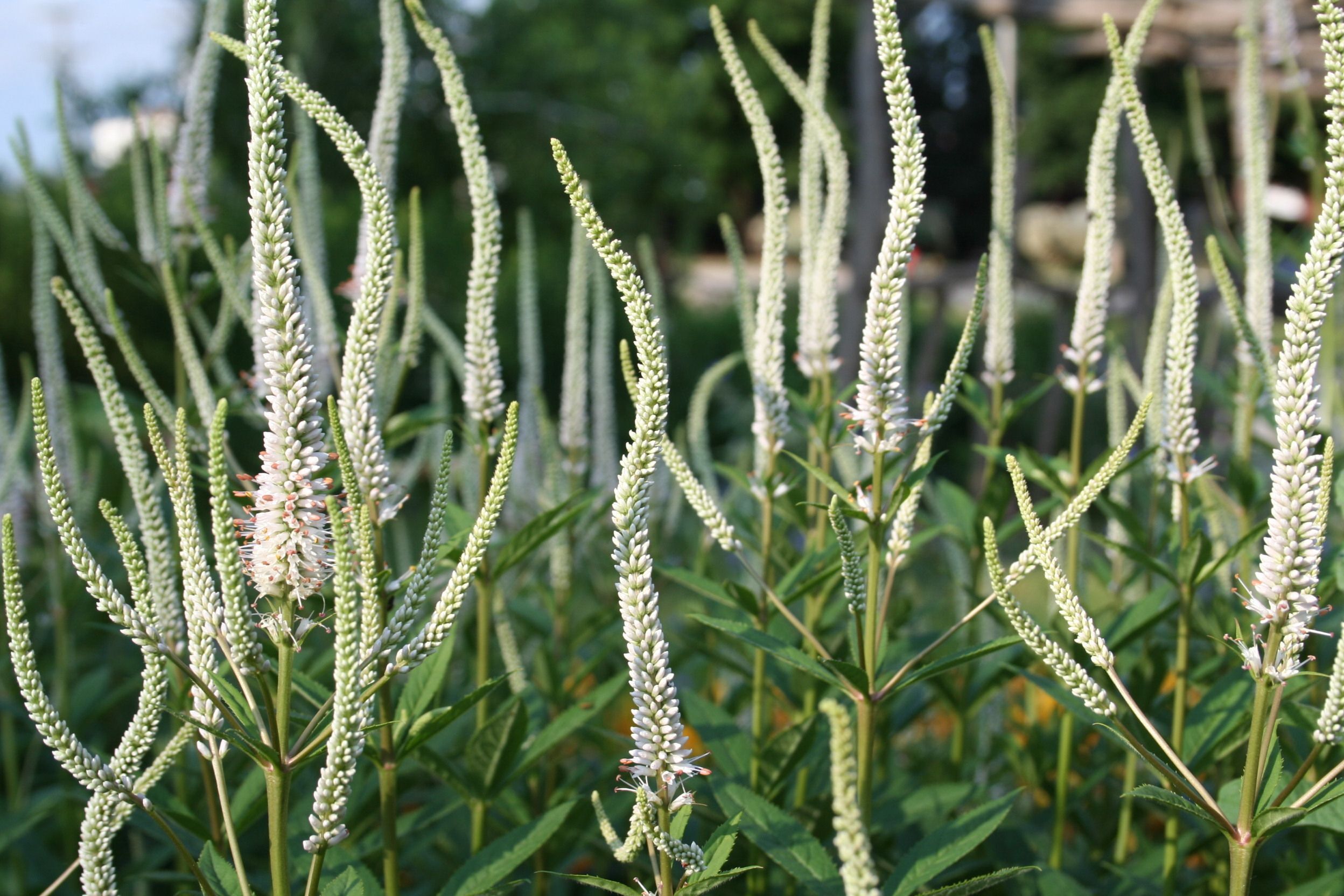
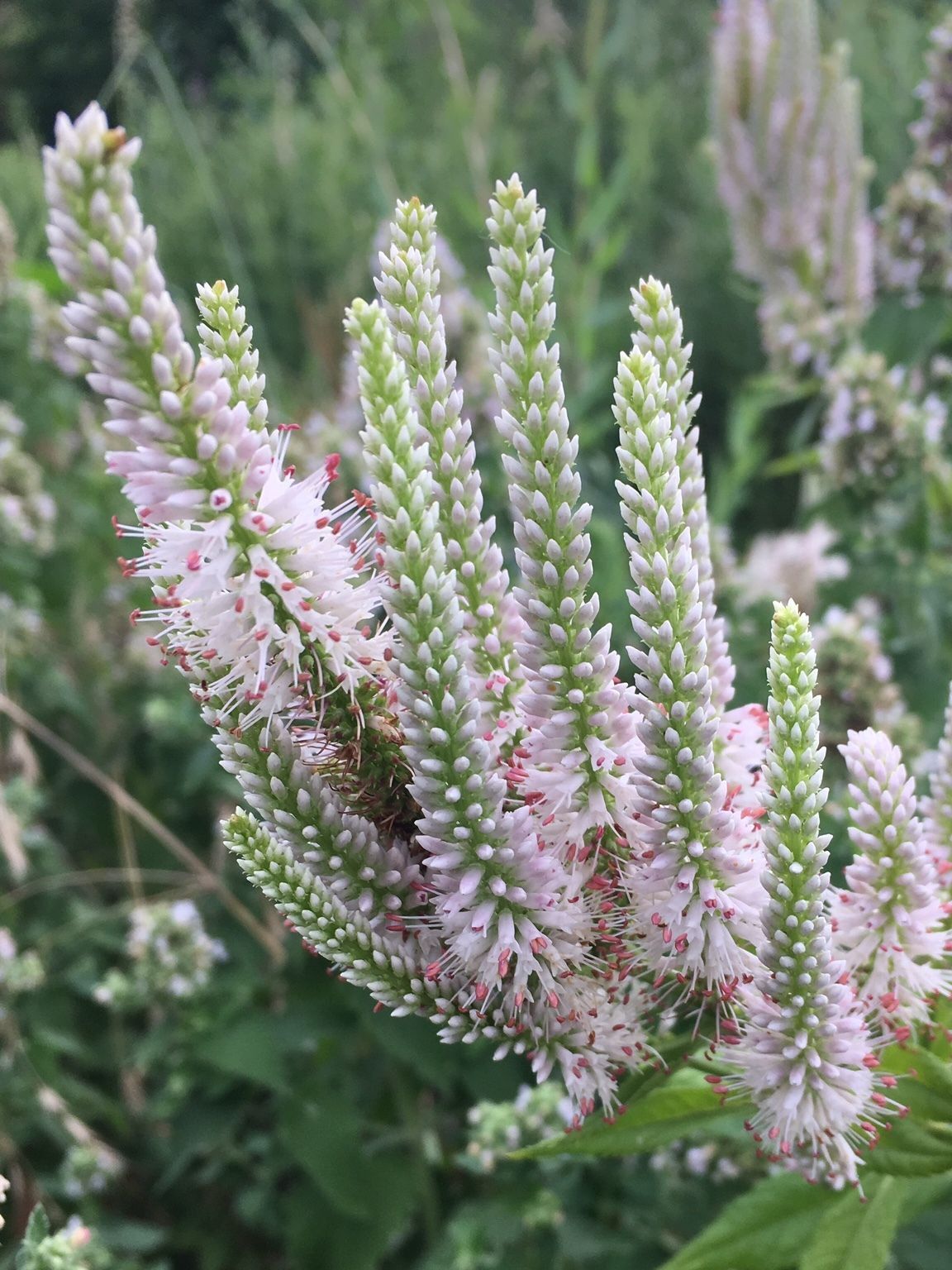
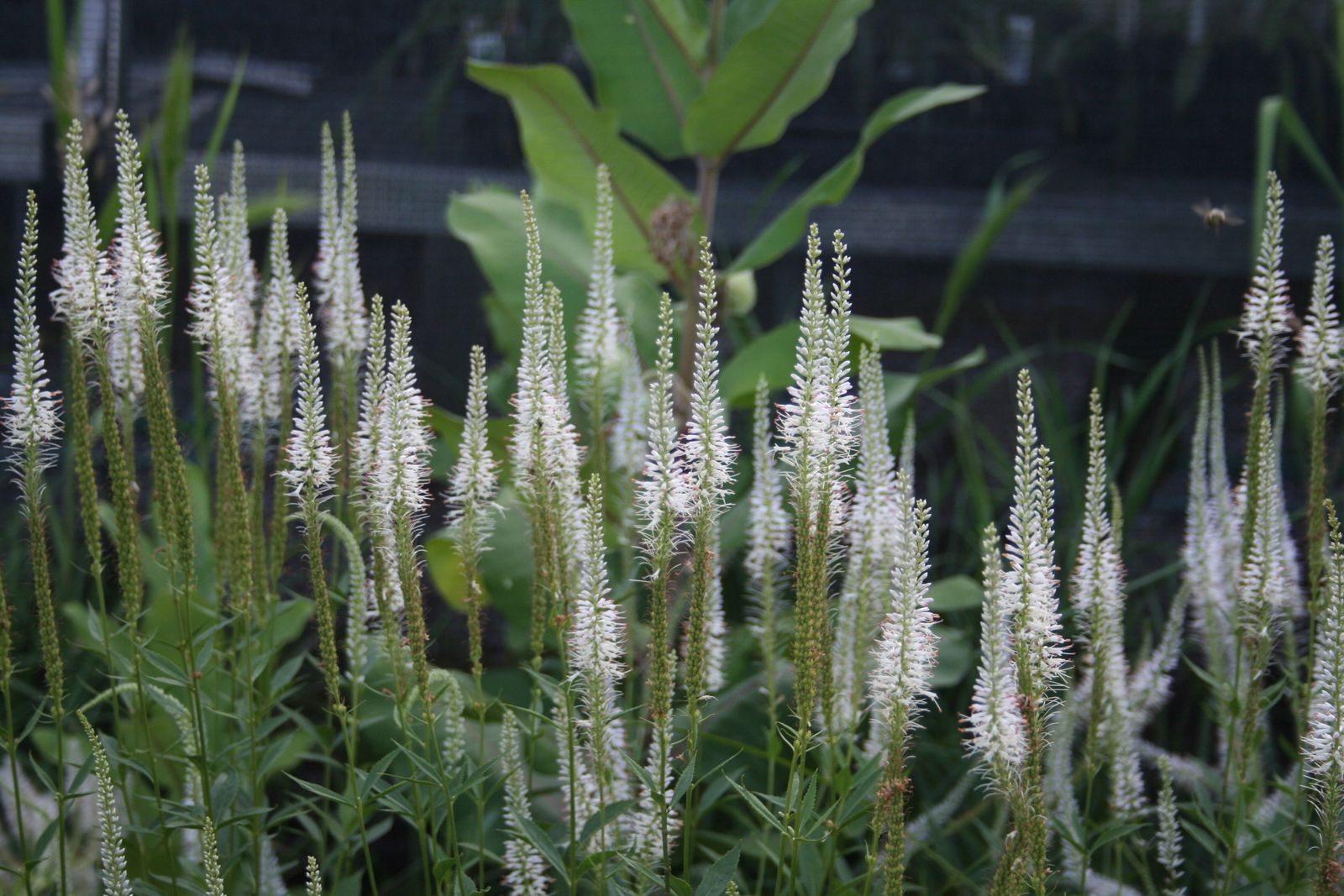
Perennial of the Year: Culver's Root (Veronicastrum virginicum) – This native perennial typically grows to 4-7 feet tall, with long spikes of tiny, tube-like white flowers (often with a pinkish or lavender blush) that open from the bottom up during the early summer. In full bloom, the spikey flowers resemble elegant candelabra atop strong, upright stems with lance-shaped leaves. Easily grown in average, medium-to-wet, well-drained soil in full sun (or light shade), Culver's root makes a good addition to a rain garden. It can take several years to establish itself in the garden, but once it does, it's well-worth the wait. Its blooms are long-lasting, especially if you deadhead the spent spikes. Cutting back the plants after flowering also stimulates another late summer or fall bloom.
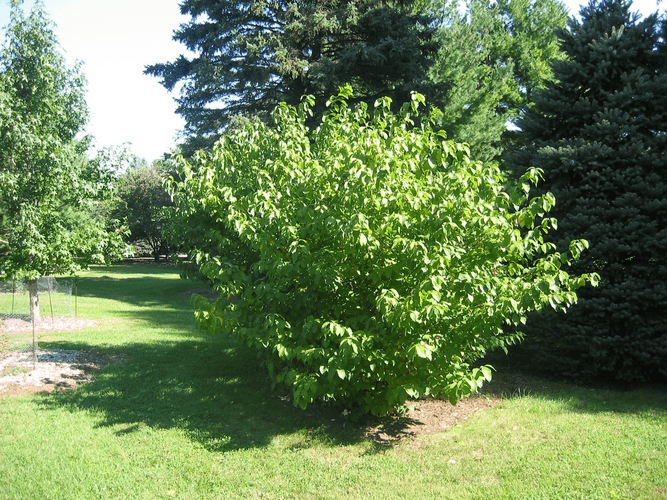
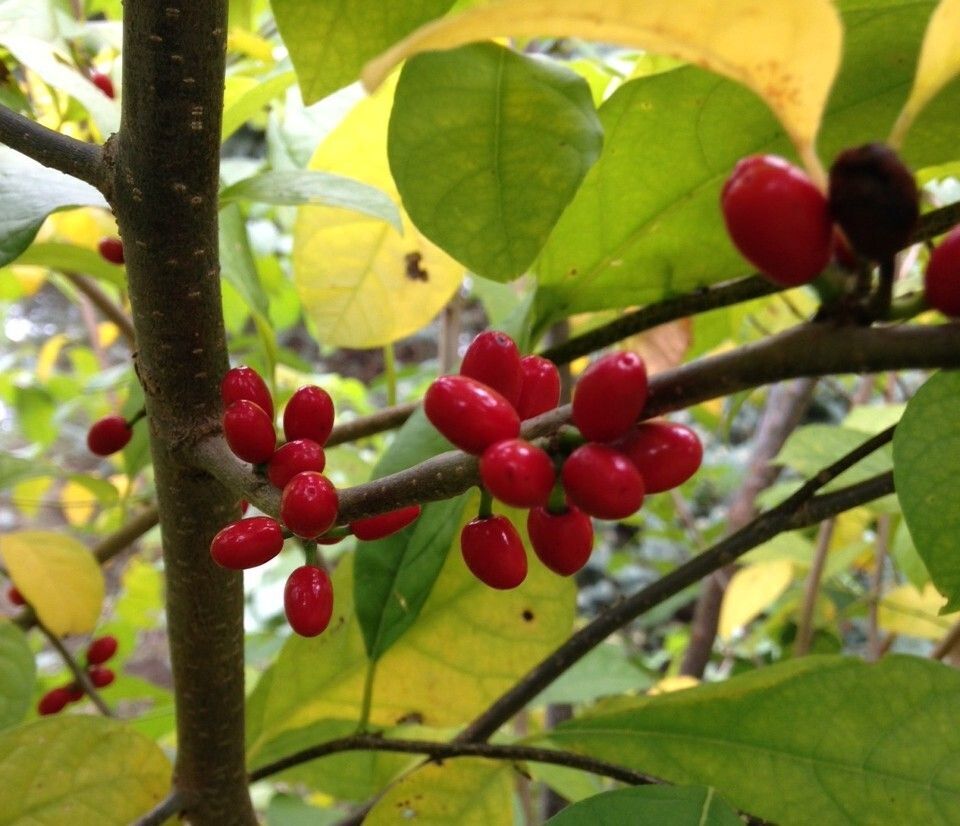
Shrub of the Year: Common Spicebush (Lindera benzoin) – This deciduous shrub has a broad, rounded habit and typically grows 6-12 feet tall. Clusters of small, scented, green-yellow flowers bloom along the branches in early spring before the leaves emerge. The shrub produces dioecious flowers (male and female flowers on separate plants), with the male flowers larger and showier than the female ones. The female flowers give way to bright red berries, which mature in the fall and provide sustenance for birds and other wildlife (but are really only noticeable once the plant drops its leaves). Spicebush is also a larval host for the spicebush swallowtail butterfly, which feeds on its leaves. Easily grown in average, medium, well-drained soil in part shade, spicebush's warm yellow fall color is more vibrant if the plant receives more sunshine (in full sun, the shrub requires more water, however). It can also tolerate full shade, but its habit will become more open and wide-spreading.
Cumulative List of GreatPlants 1998-2025
Tree of the Year
Baldcypress, Taxodium distichum
Birch, sweet, Betula lenta
Buckeye, Ohio, Aesculus glabra
Buckeye, yellow, Aesculus flava
Catalpa, northern, Catalpa speciosa
Coffeetree, Kentucky, Gymnocladus dioicus
Dogwood, Corneliancherry, Cornus mas
Dogwood, pagoda, Cornus alternifolia
Elm, American, Ulmus americana ‘Princeton’
Ginkgo, Ginkgo biloba
Hackberry, Celtis occidentalis
Hickory, shagbark, Carya ovata
Hophornbeam, American, Ostrya virginiana
Hornbeam, American, Carpinus caroliniana
Maple, shantung, Acer truncatum
Oak, black, Quercus velutina
Oak, bur, Quercus macrocarpa,
Oak, chinkapin, Quercus muehlenbergii
Oak, Hill’s, Quercus ellipsoidalis
Oak, Shingle, Quercus imbricaria
Oak, Shumard, Quercus shumardii
Oak, swamp white, Quercus bicolor
Pecan, northern, Carya illinoiensis
Serviceberry, apple, Amelanchier xgrandiflora
Serviceberry, shadblow, Amelanchier canadensis
Sycamore, American, Platanus occidentalis
Tuliptree, Liriodendron tulipifera
Yellowwood, American, Cladrastis kentukea
Perennial of the Year
Anemone, snowdrop, Anemone sylvestris
Aster, aromatic, Aster oblongifolius
Black-eyed Susan, showy, Rudbeckia fulgida var. speciosa
Blazing star, meadow, Liatris ligulistylis,
Coneflower, Echinacea species
Cranesbill, Geranium sanguineum
Culver's root, Veronicastrum virginicum
Dwarf blue indigo, Baptisia minor
Goldenrod, Fireworks, Solidago rugosa ‘Fireworks’
Hyssop, 'Blue Fortune,' Agastache
Ironweed, 'Iron Butterfly,' Vernonia lettermanii
Joe-Pye plant, Gateway, Eupatorium maculatum ‘Gateway’
Bluestar, narrowleaf, Amsonia hubrichtii
Prairie smoke Geum triflorum
Leadplant, Amorpha canescens
Lupine, Carolina, Thermopsis villosa
Milkweed, butterfly, Asclepias tuberosa
Milkweed, swamp, Asclepias incarnata
Pasque flower, Pulsatilla species
Penstemon species
Phlox, woodland, Phlox divaricata
Poppy mallow, purple, Callirhoe involucrata
Primrose, Fremont’s, Oenothera macrocarpa var fremontii
Queen of the Prairie, Filipendula rubra ‘Venusta’
Salvia 'Rose Marvel,' Salvia nemorosa
Solomon’s seal, variegated, Polygonatum multiflorum ‘Variegatum’
Turtlehead, Chelone lyonii
Virginia Mountain Mint, Pycnanthemum virginianum
Grass of the Year
Bluestem, big, Andropogon gerardii
Bluestem, big, Andropogon gerardii 'Blackhawks'
Bluestem, little, Schizachyrium scoparium
Bluestem, little, 'Prairie Blues,' Schizachyrium scoparium 'Prairie Blues'
Bluestem, little, Schizachyrium scoparium ‘MinnBlue’
Dropseed, prairie, Sporobolus heterolepis
Giant sakaton, Sporobolus wrightii
Grama, blue, Bouteloua gracilis
Grama, sideoats, Bouteloua curtipendula
Indiangrass, Sorghastrum nutans
Lovegrass, sand, Eragrostis trichodes
Miscanthus, Autumn Red, Miscanthus sinensis v. purpurascens ‘Autumn Red’
Miscanthus sinensis ‘Morning Light’
Reedgrass, Korean feather, Calamagrostis brachytricha
Ruby Crystals grass, Melinus nerviglumis
Sedge, Blue Zinger, Carex flacca
Sedge, bristleleaf, Carex eburnea
Sedge, Gray’s, Carex grayi
Sedge, palm, Carex muskingumensis
Sedge, Pennsylvania, Carex pennsylvanica
Sedge, rosy, Carex rosea
Switchgrass, ‘Dallas Blues’, Panicum virgatum ‘Dallas Blues’
Switchgrass, Northwind, Panicum virgatum ‘Northwind’
Switchgrass, Shenandoah, Panicum virgatum ‘Shenandoah’
Evergreen of the Year
Douglasfir, Pseudotsuga menziesii var. glauca
Fir, Canaan, Abies balsamea var. phanerolepis
Fir, concolor, Abies concolor
Fir, Korean, Abies koreana
Pine, border, Pinus strobiformis
Pine, Domingo, Pinus strobus x ayacahuite ‘Domingo’
Pine, eastern white, Pinus strobus
Pine, Japanese white, Pinus parviflora
Pine, Korean, Pinus koraiensis
Pine, lacebark, Pinus bungeana
Pine, pinyon, Pinus edulus
Pine, Ponderosa, Pinus ponderosa
Pine, red, Pinus resinosa
Pine, Swiss stone, Pinus cembra
Spruce, Black Hills, Picea glauca var. densata
Spruce, Norway, Picea abies
Spruce, Serbian, Picea omorika
Spruce, white, Picea glauca
Shrub of the Year
Buckeye, bottlebrush, Aesculus parvifolia
Buttonbush, Cephalanthus occidentalis
Chokeberry, black, Aronia melanocarpa
Coralberry, Chenault, Symphoricarpos xchenaultii
Currant, clove, Ribes odoratum
Elderberry, American, Sambucus Americana
Hazelnut, American, Corylus Americana
Hydrangea, oakleaf, Hydrangea quercifolia
Mahonia, creeping, Mahonia repens
Mockorange, Wild or Lewis, Philadelphus lewisii 'Blizzard'
New Jersey tea, Ceanothus americanus
Purple beautyberry, Callicarpa dichomata
Rose, redleaf, Rosa glauca (R. rubrifolia)
Sageleaf willow, 'Iceberg Alley,' Salix candida
Sandcherry, ‘Pawnee Buttes’ western, Prunus besseyi
Serviceberry, Regent, Amelanchier alnifolia ‘Regent’
Seven-son flower, Heptacodium miconioides
Snowberry, Symphoricarpos albus
Spicebush, common, Lindera benzoin
Spirea, Korean, Spiraea fritschiana
Spirea, 'Tor' Birchleaf, Spirea betulifolia
St. Johnswort, Kalm, Hypericum kalmianum
Viburnum, ‘Redwing’ American cranberrybush, Viburnum trilobum
Viburnum, blackhaw, Viburnum prunifolium
Viburnum, Viburnum sargentii ‘Chiquita’
Viburnum, Deam’s arrowwwood, Viburnum dentatum var deamii
Viburnum, Koreanspice, Viburnum carlesii
Wahoo, eastern, Euonymus atropurpurea
Witchhazel, Hamamelis vernalis
GreatPlants® Releases and Introductions
(plants below are Releases unless specified as Introductions after the year)
Allium senescens ‘Mongolian Gem’
Aspen, Prairie Gold quaking, Populus tremuloides ‘Prairie Gold’
Aster fendleri ‘My Antonia’
Big bluestem, Andropogon ‘Silver Sunrise’™
Clematis fremontii
Clematis fruticosa ‘Mongolian Gold’
Clematis tenuiloba ‘Pixie Parasols’
Dianthus ‘Prairie Pink’
Dianthus ‘Wink’
Dwarf spiderwort, Tradescantia tharpii
Eupatorium ‘Prairie Jewel’
Evening primrose, Oenothera macrocarpa 'Comanche Campfire'
Hibiscus moscheutos ‘Pink Clouds’
Iris spuria ‘Fontenelle’
Juniper, Juniperus virginiana ‘Taylor
Lemon Lace vine, Fallopia ‘Lemon Lace’
Liatris microcephala ‘White Sprite’
Liatris pycnostachya ‘Eureka’
Monarda ‘Prairie Gypsy’
Mongolian Silver Spires littleleaf peashrub, Caragana microphylla
Oak, dwarf chinkapin, Quercus prinoides
Penstemon grandiflorus ‘Prairie Snow’
Penstemon grandiflorus ‘War Axe’
Penstemon x ‘Prairie Splendor’
Poppy mallow, Callirhoe alcaeoides 'Logan Calhoun'
Prairie clover, purple, Dalea purpurea 'Stephanie'
Prairie Lode sundrops, Calylophus serrulatus ‘Prairie Lode’
Scabiosa superba ‘Mongolian Mist’
Sedum tatarowinii ‘Mongolian Stars’
Skullcap, Scutellaria resinosa
Skullcap, Scutellaria scoridifolia 'Mongolian Skies'
Solidago ‘Wichita Mountains’
Viburnum ‘Copper Ridges’
Viburnum ‘Prairie Classic’